Understanding Male Wellness through Nutrition

Explore the fundamental role of dietary components and vitamins in maintaining general health and well-being

Educational content only. No promises of outcomes.

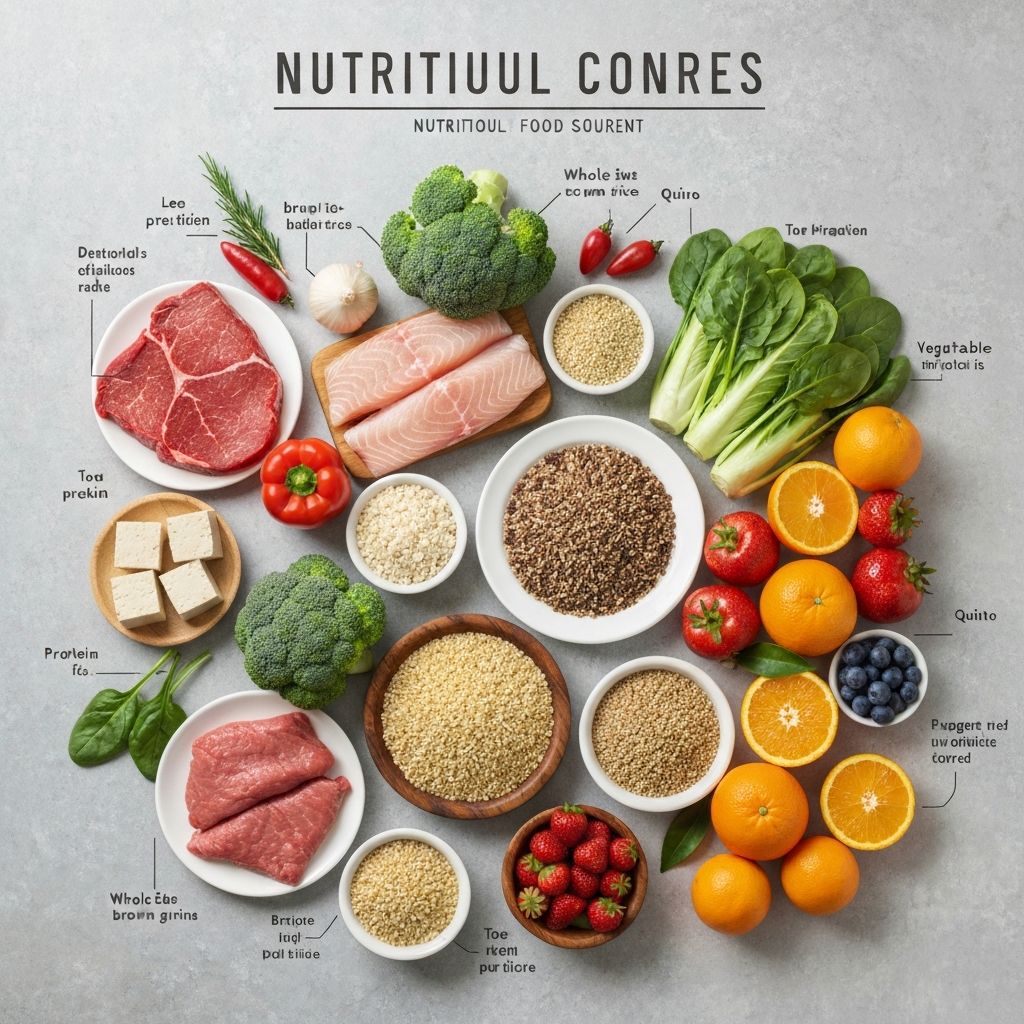
Balanced healthy diet with vegetables and whole grains

The Foundations of Men's Dietary Health

Core Principles of Balanced Eating

A balanced diet forms the foundation of maintaining general wellness. Understanding the basic principles of nutrition helps individuals make informed choices about their dietary habits.

The concept of balanced nutrition involves consuming appropriate quantities of various food groups: carbohydrates, proteins, fats, vitamins, and minerals. Each macronutrient and micronutrient plays distinct roles in supporting bodily functions and maintaining overall health.

Food variety is essential because different foods provide different nutritional profiles. A diverse diet ensures that the body receives the full spectrum of nutrients necessary for optimal functioning.

Explore More About Nutrition

Key Vitamins for Male Vitality

Deep Dive into Essential Vitamins

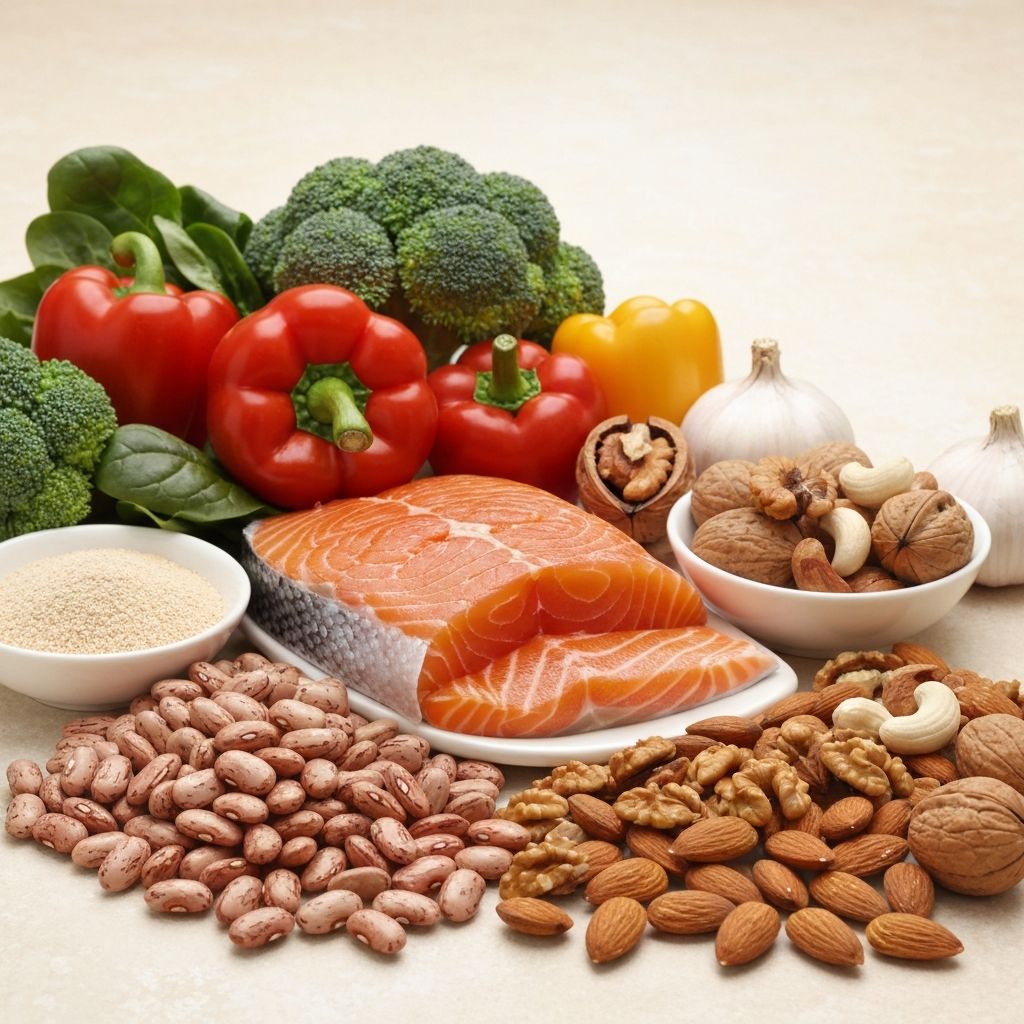
Foods rich in Vitamin D including eggs and salmon

Vitamin D: The Sunlight Vitamin

Vitamin D plays an important role in calcium absorption and bone health. The body synthesizes vitamin D when exposed to sunlight, but it can also be obtained from food sources.

Foods containing vitamin D include fatty fish like salmon and mackerel, egg yolks, and fortified dairy products. Understanding these sources helps individuals consider dietary variety.

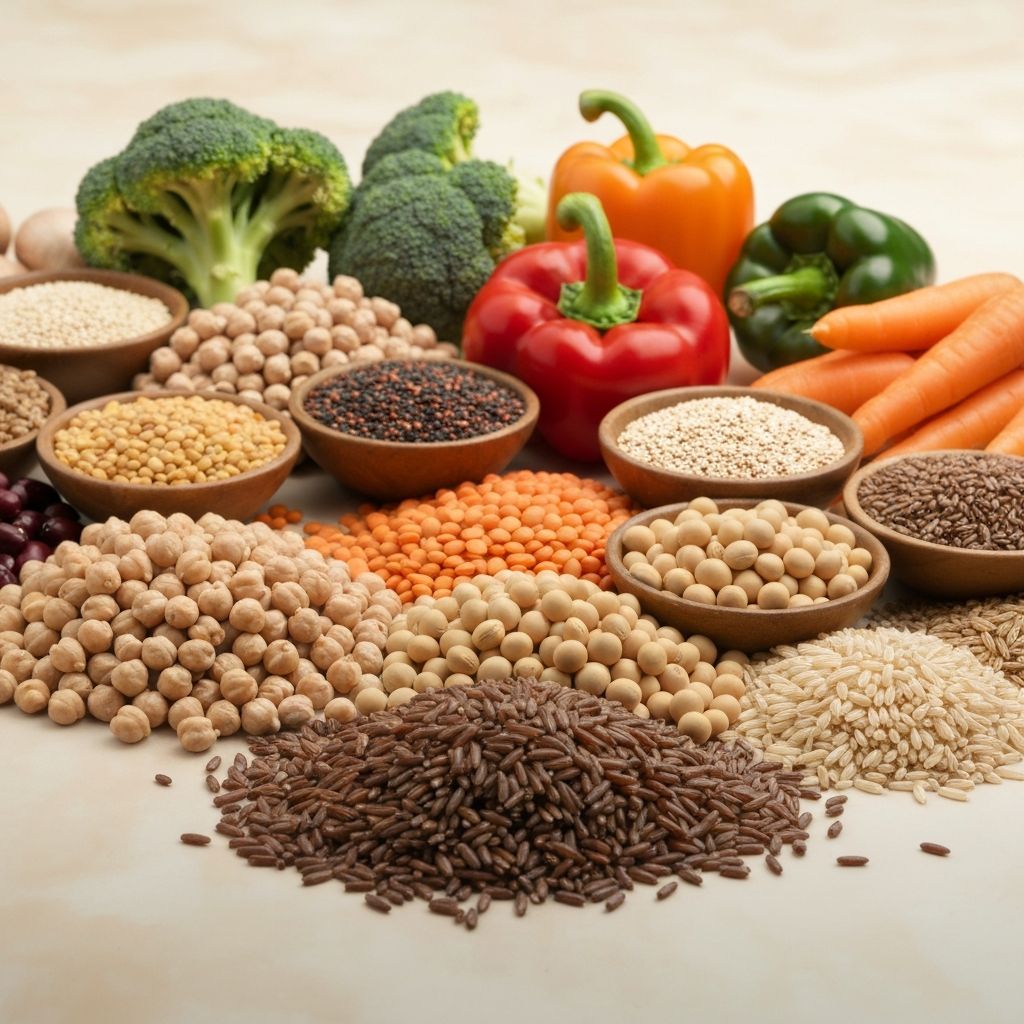
B-complex vitamin sources like grains and leafy greens

B-Complex Vitamins: Energy and Metabolism

The B-complex family of vitamins includes B1, B2, B3, B5, B6, B7, B9, and B12. These vitamins are involved in energy metabolism and various cellular functions.

Rich sources include whole grains, legumes, nuts, and leafy green vegetables. Each B vitamin has specific roles, such as supporting nervous system function and maintaining healthy skin.

Vitamin C rich foods including citrus and berries

Vitamin C: Antioxidant Protection

Vitamin C, also known as ascorbic acid, functions as an antioxidant in the body. Antioxidants help protect cells from oxidative stress caused by free radicals.

Citrus fruits, berries, bell peppers, and leafy greens are excellent sources of vitamin C. This vitamin also plays roles in collagen synthesis and immune system function.

Essential Minerals for Men's Well-being

Focus on Zinc, Magnesium, and Selenium

Mineral-rich foods including nuts, seeds, and shellfish

Minerals are inorganic substances essential for various body functions. Zinc supports immune function and protein synthesis, magnesium is involved in muscle and nerve function, and selenium acts as an antioxidant.

Sources of these minerals include oysters and shellfish (zinc), nuts and seeds (magnesium), and whole grains and legumes (selenium). A diverse diet naturally provides these essential elements.

Understanding mineral roles in nutrition helps individuals appreciate the importance of food diversity and the interconnected nature of nutrition and health.

Food Sources: A Comprehensive Guide

Exploring Rich Dietary Sources for Crucial Nutrients

Variety of nutrient-dense foods including proteins and vegetables

Protein-Rich Sources

Animal proteins from fish, poultry, and eggs provide all essential amino acids. Plant-based proteins from legumes, nuts, and seeds offer valuable nutritional variety.

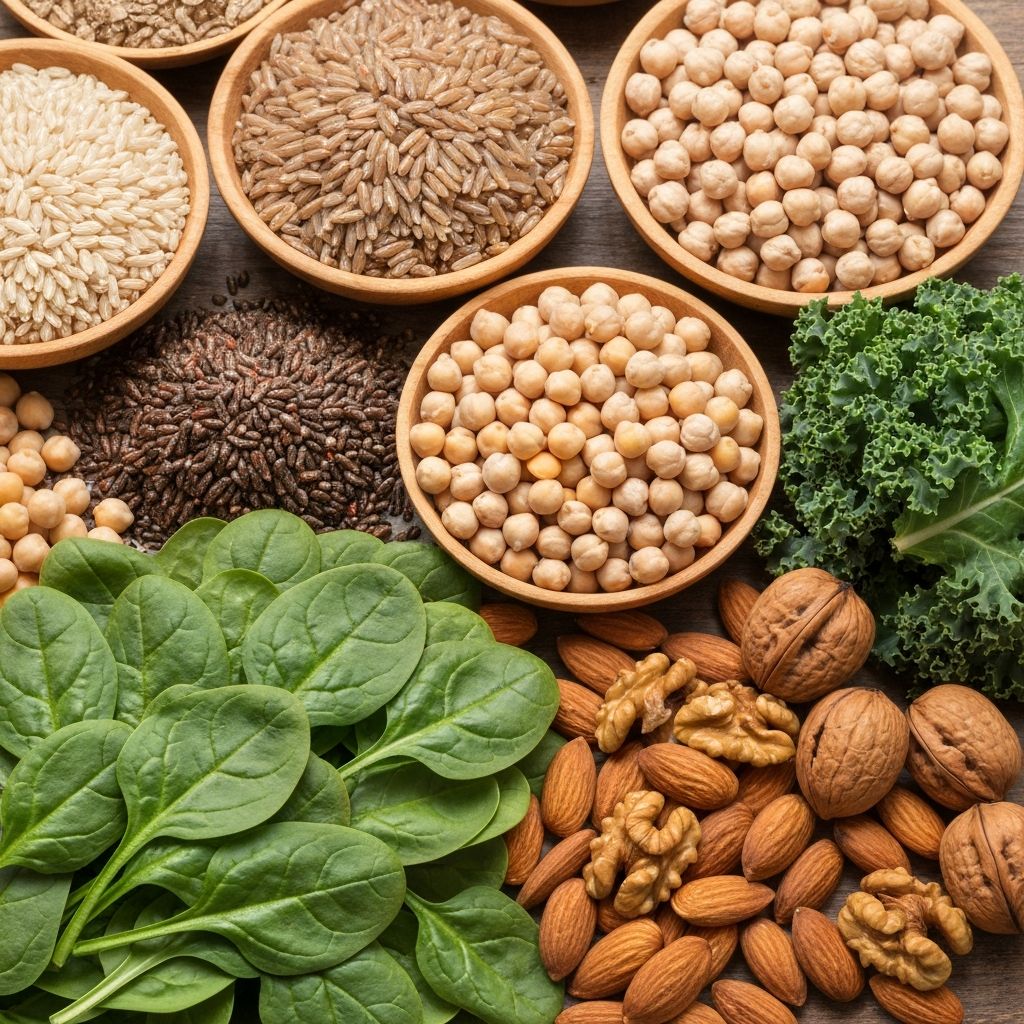
Fresh vegetables and whole grains for nutrition

Vegetables and Whole Grains

Fresh vegetables provide vitamins, minerals, and fiber. Whole grains deliver sustained energy and contribute to fiber intake, which supports digestive health.

Healthy fats from salmon and nuts

Healthy Fats and Oils

Sources like fatty fish, nuts, and olive oil provide omega-3 and omega-6 fatty acids. These fats are crucial for various bodily functions including cardiovascular health.

Macronutrients Explained

Proteins, Carbohydrates, and Fats - Their Importance and Balance

Balanced plate showing macronutrients - proteins, carbs, and fats

The three macronutrients—proteins, carbohydrates, and fats—form the basis of dietary composition. Each serves distinct functions in maintaining body function.

Proteins are building blocks for muscle, enzymes, and hormones. Carbohydrates provide energy and support brain function. Fats are essential for hormone production, nutrient absorption, and cellular structure.

The balance between these macronutrients varies based on individual circumstances and activity levels. Understanding their roles helps individuals make informed choices about their dietary composition.

Hydration for Optimal Body Function

Water is fundamental to all bodily functions. It regulates temperature, transports nutrients, aids digestion, and maintains cellular hydration. The amount of water needed varies based on activity level, climate, and individual factors.

Most health information suggests consuming adequate water throughout the day. Individual needs differ, and some water is obtained from foods like fruits and vegetables.

Antioxidants and Cellular Health

Antioxidants are compounds that help protect cells from oxidative stress. Free radicals are natural byproducts of metabolism, and antioxidants work to neutralize their effects.

Sources of antioxidants include colorful fruits and vegetables, nuts, and seeds. The variety of colors in foods indicates different antioxidant profiles, which is why dietary diversity is valuable.

Fiber: Gut Health and Beyond

Dietary fiber is a plant-based carbohydrate that the body cannot digest. Despite this, fiber serves important functions in maintaining digestive health and supporting overall wellness.

Soluble fiber (found in oats, beans, and fruits) and insoluble fiber (found in vegetables and whole grains) have different effects. Both types contribute to healthy digestion and nutrient absorption.

Navigating Nutritional Information

In an age of abundant nutritional information, critical evaluation of sources is essential. Understanding the difference between peer-reviewed scientific literature and marketing claims helps individuals make informed decisions.

When evaluating nutritional information, consider the source's credentials, whether claims are supported by research, and whether information comes from reputable health organizations. Nutrition science is complex, and recommendations may evolve as research advances.

Common Dietary Myths Debunked

Nutritional misinformation is widespread. Common myths include beliefs that all fats are harmful (when healthy fats are essential), that carbohydrates should be eliminated (when they're important energy sources), or that specific foods have magical health properties.

Evidence-based nutrition recognizes that health comes from overall dietary patterns, not individual foods. Variety, balance, and consistency are fundamental principles that supersede any single food or nutrient.

The Importance of Balanced Lifestyle

Nutrition is one component of overall wellness. Adequate sleep, regular physical activity, stress management, and social connections contribute equally to health and well-being.

A balanced lifestyle approach recognizes that diet alone doesn't determine health outcomes. Various factors interact to create overall wellness, and individuals benefit from considering multiple aspects of their lifestyle.

Limitations and Context of This Content

The information provided on this site is educational in nature and presents general facts about nutrition. This content:

  • Does not provide personalized nutritional recommendations
  • Does not replace professional medical or nutritional advice
  • Represents general nutritional science and may not apply to all individuals
  • Should not be used as a sole basis for personal health decisions

Individuals with specific health concerns should consult with qualified healthcare professionals. Nutritional needs vary based on age, activity level, health status, and many other individual factors.

Explore Further Educational Content

Deepen your understanding of nutrition and male wellness through our comprehensive resources

Discover Dietary Facts Learn Nutritional Science